
What Happens When I-70 Closes? A Former Trooper’s Guide
Read More
Book a Consultation (opens in new tab)

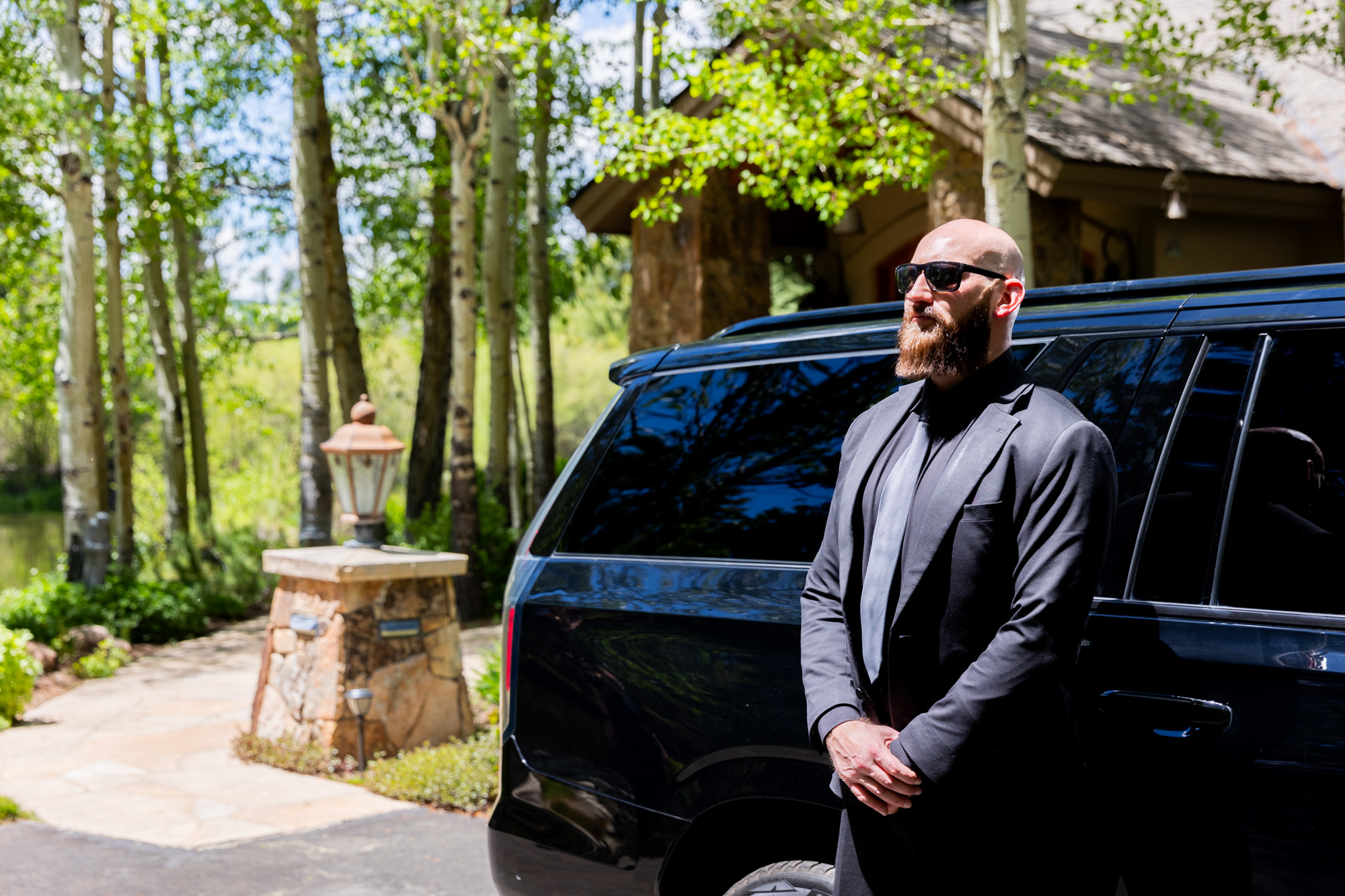

Summit Black Car provides executive protection transportation in Colorado: private, prearranged ground movements planned and driven by chauffeurs with law enforcement and military backgrounds. The company is based in Breckenridge and was founded by a former Colorado State Trooper and executive protection professional. Our chauffeurs live in the mountain towns they drive, which matters when a principal is moving between a private aviation terminal, a resort residence and a series of venues over a long weekend.
The service covers Denver and its airports, the I-70 corridor, and the resort communities of Summit, Eagle and Pitkin Counties, including Breckenridge, Vail, Beaver Creek, Aspen and Snowmass Village. We operate 24 hours a day, every day, and we work alongside a client’s own security team or family office when one is in place. Get an Instant Quote at summitblackcar.com/book-now/ or call 970-485-3494.
Service area
Denver, DIA and the private aviation FBOs, the I-70 corridor, and the resort towns of Summit, Eagle and Pitkin Counties
Who it is for
executives, family offices, public figures and visiting delegations who need a planned, private movement rather than a ride
Chauffeurs
security-oriented training with law enforcement or military backgrounds; founder is a former Colorado State Trooper
Vehicles
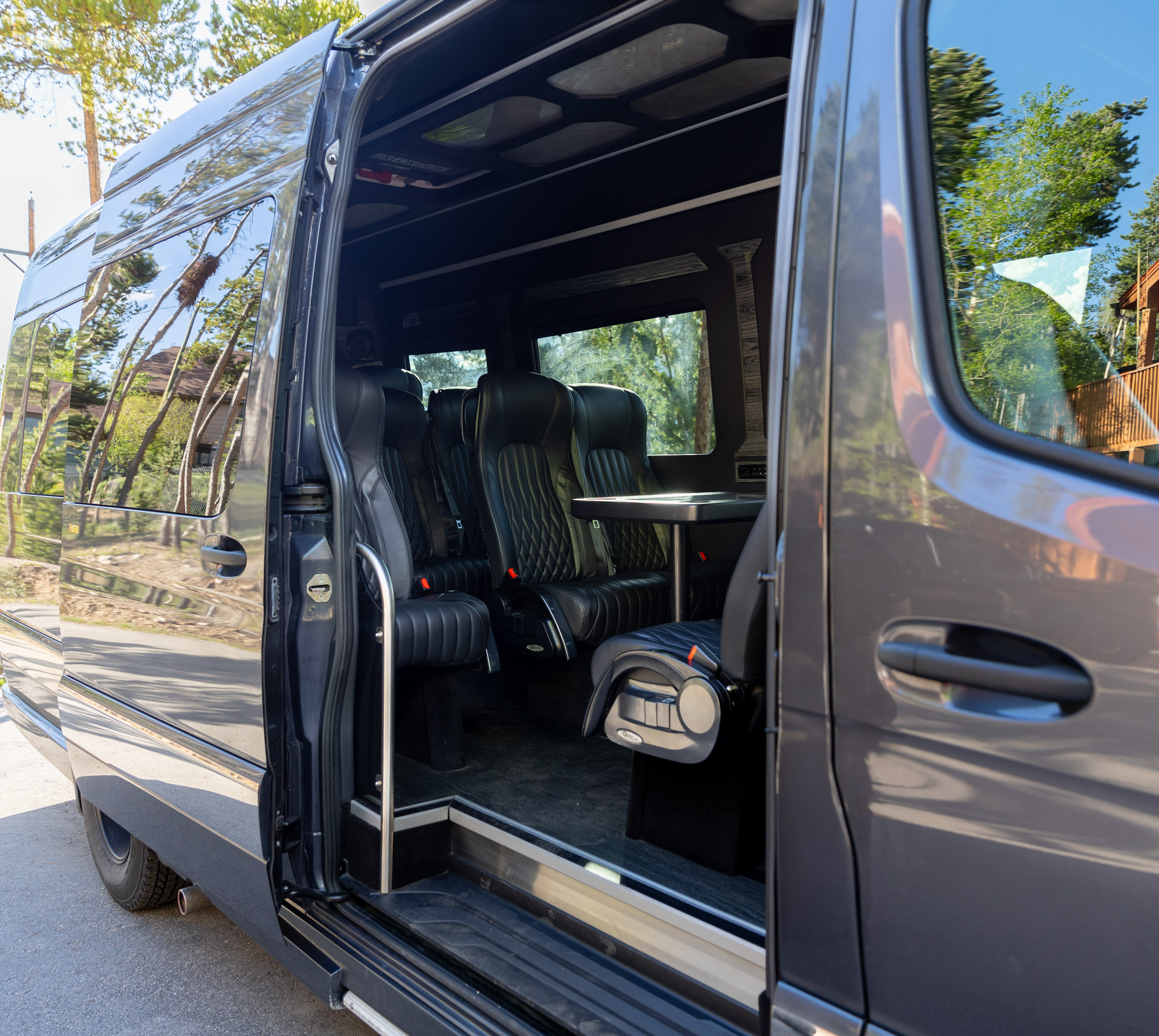
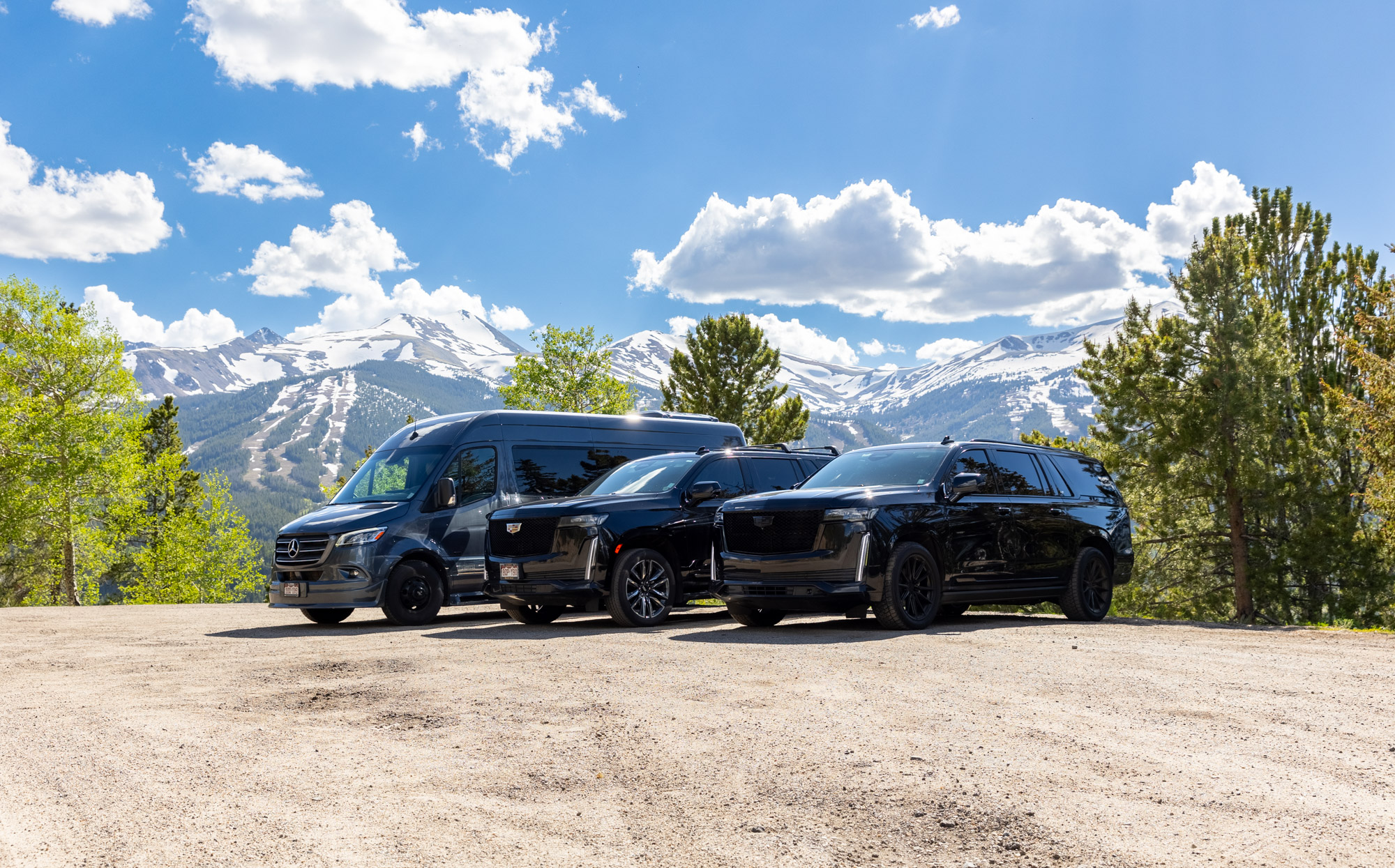
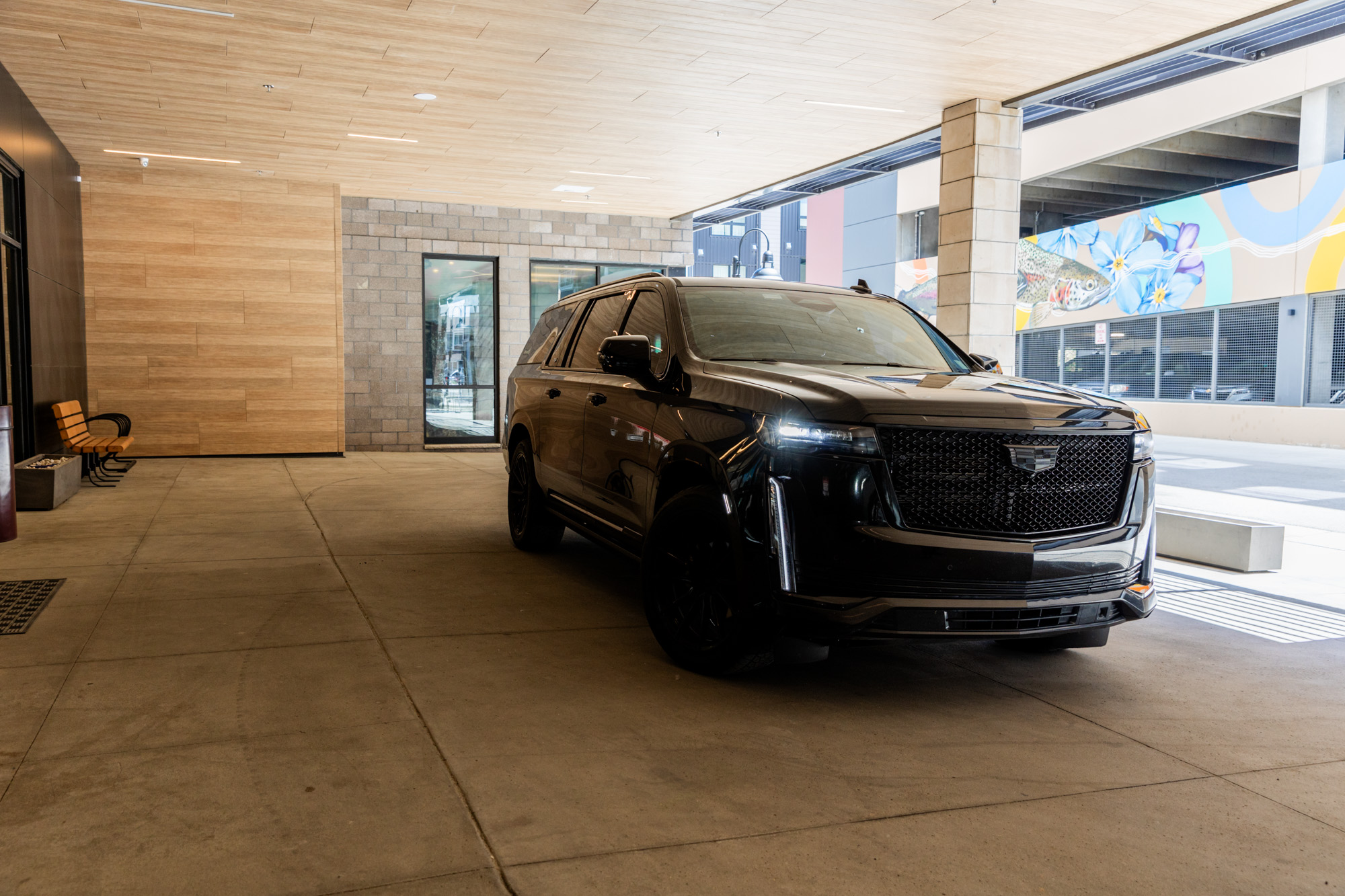
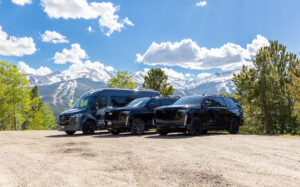
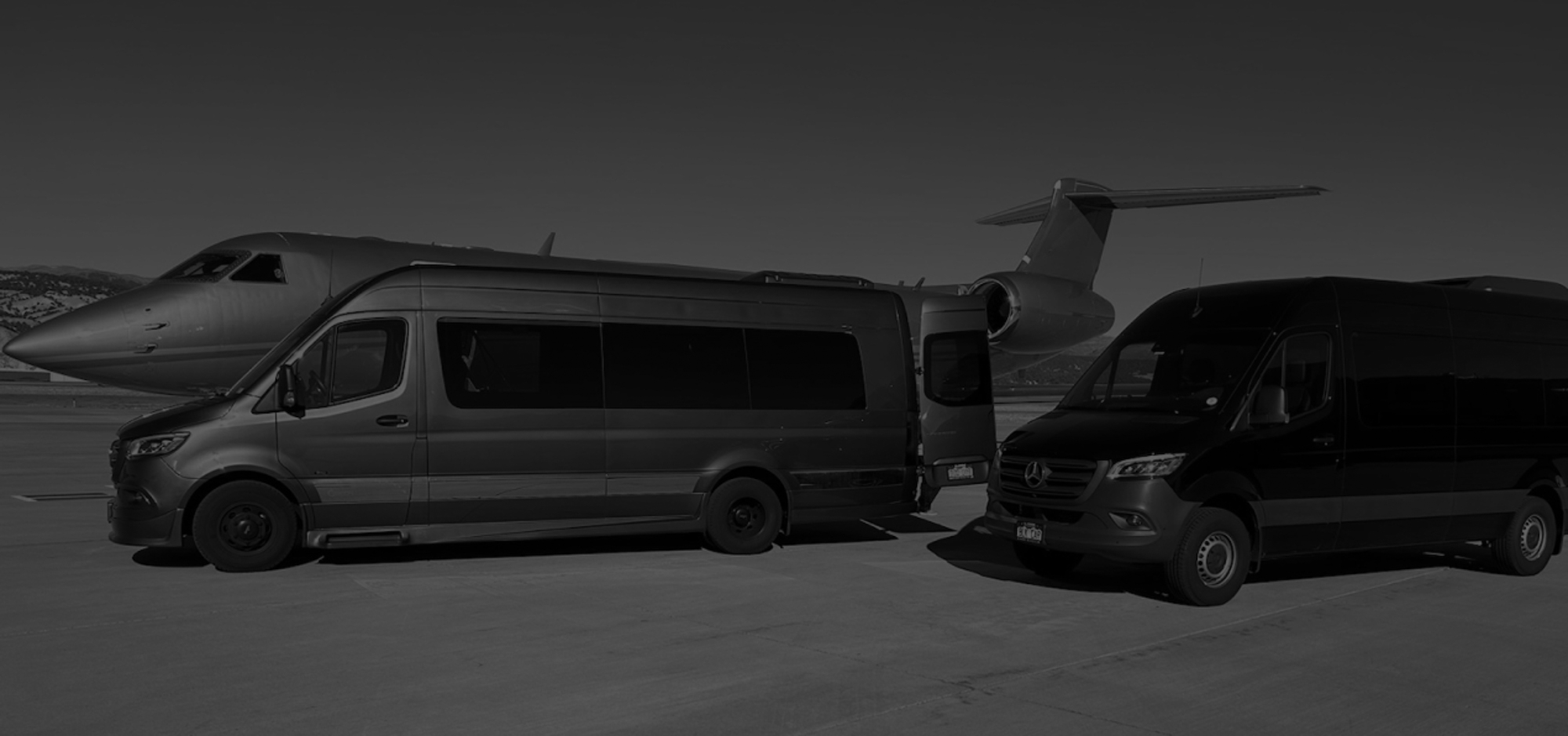
2025 Cadillac Escalade, 2026 Chevrolet Suburban, 2025 Mercedes-Benz Executive Sprinter for staff and support, Rolls-Royce Cullinan by request
Planning
route selection with alternates, venue advance work, contingency plans for I-70 closures, coordination with the client’s security detail
Availability and booking
24/7 by advance reservation; Get an Instant Quote at https://summitblackcar.com/book-now/ or call 970-485-3494
Law Enforcement-Owned
 Based in Breckenridge
Late-Model SUVs & Sprinters
Open 24/7
Based in Breckenridge
Late-Model SUVs & Sprinters
Open 24/7


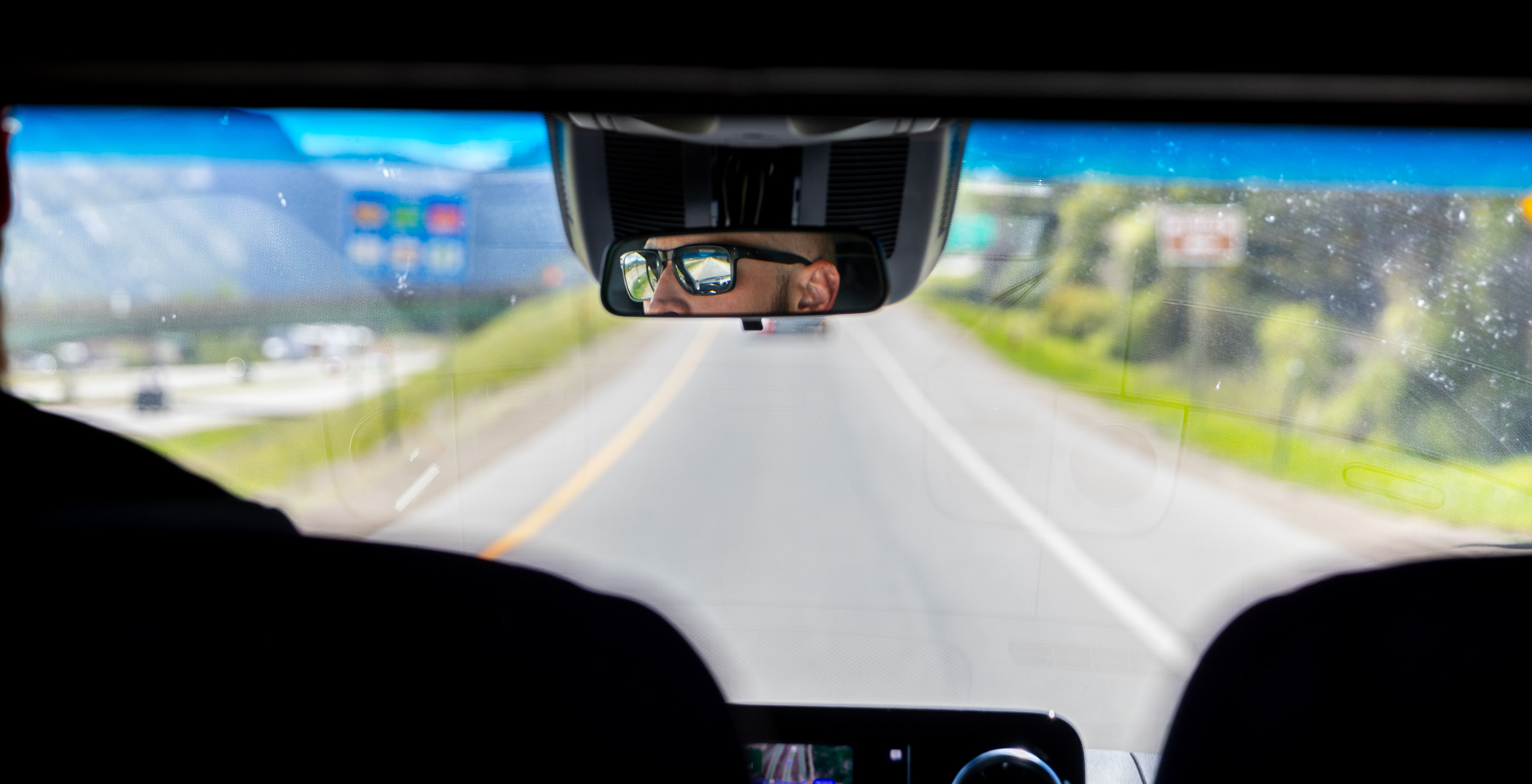
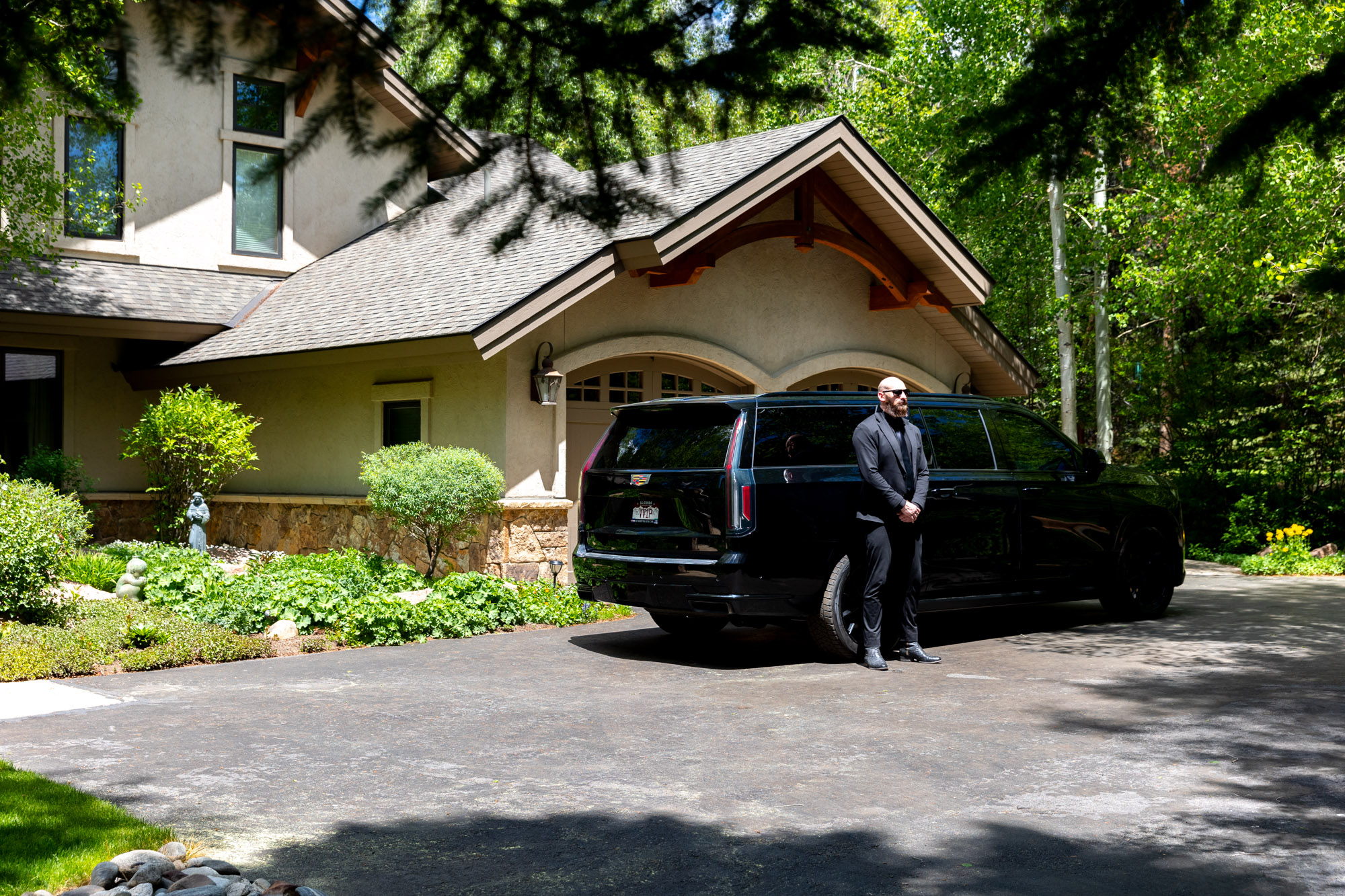



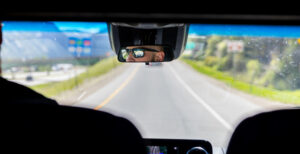
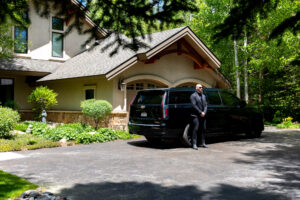


Executive protection transportation is the ground movement portion of a protective program. The principal needs to get from an aircraft to a residence, from the residence to a meeting or an event, and back, on time and without incident. The chauffeur is responsible for the route, the timing, the vehicle and the awareness that goes with each, and works as part of the client’s larger plan.
In practice, that differs from ordinary chauffeur service in several ways:
What it is not: we are a transportation company. We do not offer a standalone protective detail and we do not replace a client’s security team. We provide a driver and a vehicle prepared the way a protective program expects, in a part of Colorado where terrain, weather and distance make the driving itself the main variable.
Every protected movement starts with a conversation with the client’s chief of staff, executive assistant, family office or detail lead. We need the arrival details, the residence or hotel, the schedule of venues, the size of the party and support group, and any known concerns. From that we build a movement plan.
Route planning comes first. For a DIA arrival headed to Vail, the primary route is I-70 west through the Eisenhower-Johnson Memorial Tunnel and over Vail Pass, about two hours in good conditions and up to three and a half in winter. We identify the decision points: the tunnel, which closes for storms, crashes and hazmat holds, and Vail Pass, which closes several times each winter. For Breckenridge, the alternate when I-70 closes east of the tunnel is US-285 to Fairplay and Highway 9 north over Hoosier Pass. For Vail there is no practical alternate, so the plan includes a hold location and a communication plan rather than a detour.
Advance work follows. Where the schedule allows, a chauffeur visits each venue before the movement: the entrance the principal will use, where the vehicle can stage, the walk from the car to the door, and how the vehicle exits. In Vail Village and Lionshead that means knowing which loading zone serves which building. In Beaver Creek it means clearing the gated village entry ahead of time. In Aspen it means knowing the West End’s narrow streets and where the core’s hotels take vehicles.
Finally, we settle who the chauffeur reports to, how status is shared, and what happens if the schedule moves.
Most protected movements in Colorado begin at an airport, and many of those begin at a private aviation terminal. We meet aircraft at the Vail Valley Jet Center at Eagle County Regional, where Signature Aviation and NetJets operate; at Atlantic Aviation at Aspen/Pitkin County; at Signature at Denver International; and at Centennial (APA) and Rocky Mountain Metropolitan (BJC). FBO arrivals are the simplest to plan: the vehicle is positioned at the terminal before the aircraft lands and the principal walks a few steps.
Commercial arrivals need more structure. At DIA, prearranged pickups are at Jeppesen Terminal Level 5, Island 2, and vehicles cannot idle at the curb; they are released from the holding lot when the party is ready. For protected movements we usually recommend the inside-terminal meet at baggage claim. At EGE, the chauffeur meets the party inside at baggage claim or at the ground transportation lot at Door 6. ASE pickups use the Ground Transportation Circle just outside baggage claim. ASE is closed to all traffic from April 4 to November 19, 2027, for construction, so Aspen movements in that window route through EGE, about an hour and a half away, or through DIA. Weather diversions from ASE commonly land at EGE, Grand Junction or Rifle, and we reposition the vehicle when that happens.
Venues in our area include the Keystone Conference Center, Beaver Run Resort and Conference Center in Breckenridge, the Aspen Institute campus at Aspen Meadows, Ford Park and the Gerald R. Ford Amphitheater in Vail, the meeting facilities at the Vail Marriott and Grand Hyatt Vail, Red Rocks Amphitheatre near Morrison and downtown Denver venues.
The resort towns are where most of our protected work takes place, and each has its own considerations.
Breckenridge is our home base. One Ski Hill Place, Grand Colorado on Peak 8 and Beaver Run sit at the ski bases, while private residences on Peaks 7, 8 and 9 are on steep, narrow roads that are snow-packed for much of the winter. Main Street closes to vehicles at times during Ullr Fest and the International Snow Sculpture Championships, which changes the approach to the Historic District.
Vail’s Four Seasons, Sonnenalp, The Arrabelle, Hotel Talisa, Grand Hyatt Vail and The Sebastian each have a porte-cochere or loading zone, and the chauffeur knows which one to use. During the Burton US Open and the GoPro Mountain Games, closures around the village cores are extensive and the plan accounts for them.
Beaver Creek is gated, with separate gated entries for Bachelor Gulch and Arrowhead. The Ritz-Carlton Bachelor Gulch, Park Hyatt Beaver Creek, The Osprey and The Pines Lodge are the primary hotel drop points, and guest access at the gate is part of the advance work.
Aspen and Snowmass Village have the highest concentration of private residences and high-profile events in our area: The Little Nell, Hotel Jerome, the St. Regis, The Limelight, W Aspen and Aspen Meadows in the core; the Viceroy, Limelight Snowmass and Westin Snowmass in Base Village; and West End and ski-in/ski-out homes. The Food & Wine Classic and the X Games at Buttermilk bring crowds and closures. Highway 82 is the single winter road in and out, which makes timing and staging especially important.
We assign vehicles based on the size of the party, the terrain and the client’s preference.
Multi-vehicle movements are common. A typical configuration is a principal vehicle, an Escalade or Suburban, and a support vehicle, the Sprinter, moving on the same route with the same timing and the chauffeurs in contact with each other and the client’s detail lead. For a larger movement we add vehicles and a lead chauffeur who manages the convoy’s timing.
Every vehicle is driven by a chauffeur who lives in the mountains. Child seats are available on request. Passenger counts are the vehicle limits and luggage takes space, so tell us the party size, bags and gear when booking so the right vehicles are assigned.
Protected movements need more lead time than ordinary bookings. For a single airport transfer with a known venue, a few days’ notice is enough for route planning and vehicle assignment. For a multi-day itinerary with several venues, private residences and a support group, we prefer a week or more so the advance work can be done properly and the right chauffeurs are scheduled.
A multi-day detail typically runs from an FBO arrival at EGE or ASE and a movement to the residence, through several days of meetings, on-mountain events and dinners, to a departure built around the airline or FBO timing plus the winter margin. The same chauffeur or team stays on the assignment throughout so the plan does not have to be re-briefed.
Timing rules we follow:
Itinerary privacy is standard. Details are shared with the assigned chauffeurs and no one else, and we take direction from the client on what may be confirmed by phone or email.
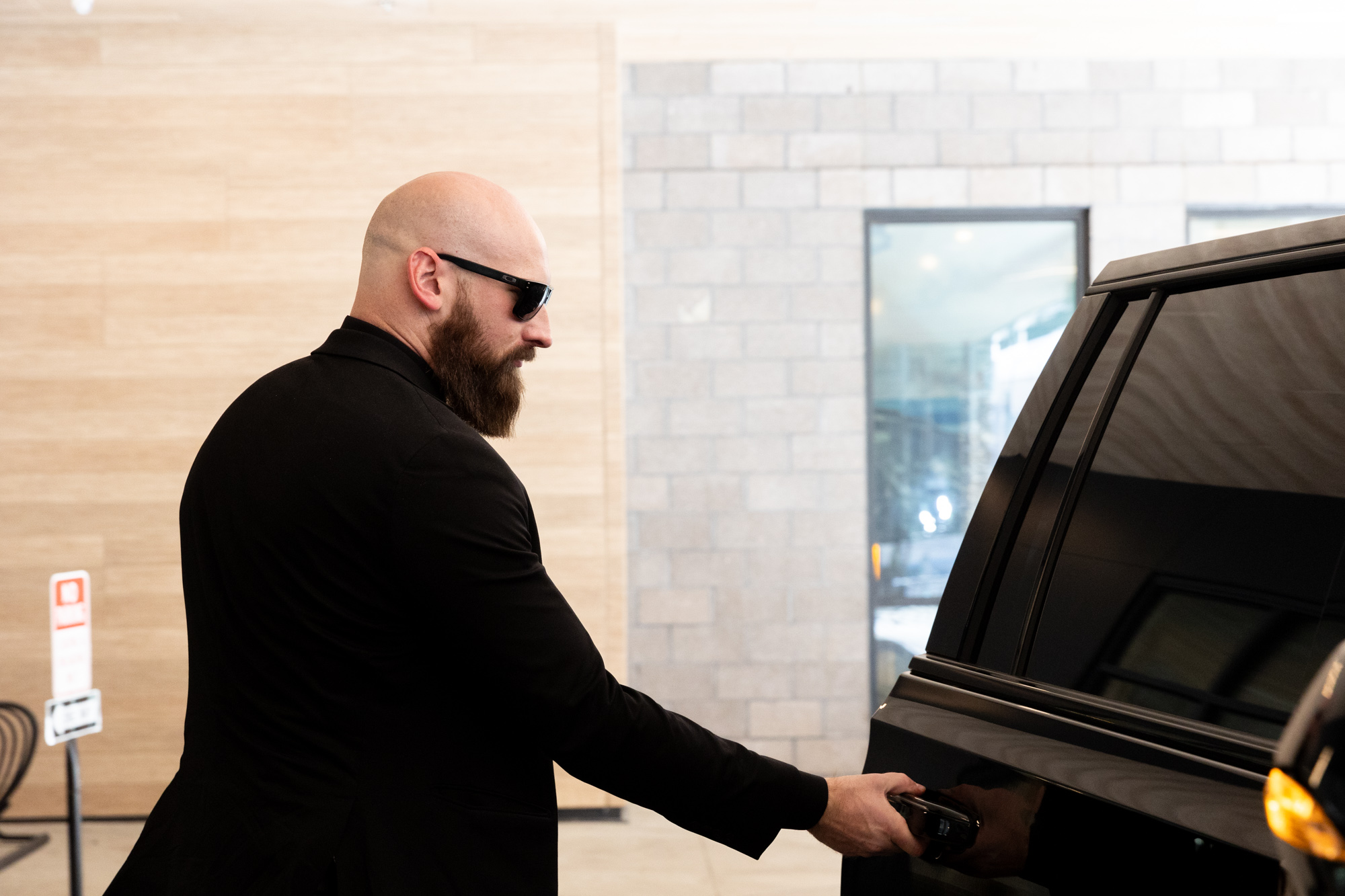
Our founder is a former Colorado State Trooper who later worked in executive protection, and our chauffeurs have law enforcement or military backgrounds. That experience shows up in specific ways.
First, driving. Troopers work I-70 in every condition it produces: whiteouts on Vail Pass, black ice at the tunnel approaches, chain-law stops, rockfall in Glenwood Canyon, holiday traffic that turns a two-hour drive into four. A chauffeur who has handled those conditions professionally reads the road differently, keeps more following distance, and knows when to hold rather than push through.
Second, situational awareness. Protective driving is about noticing things early: a vehicle that has followed too long, a venue entrance that is blocked, a crowd forming where the principal will walk. Law enforcement and military training builds that habit.
Third, judgment under pressure. When the tunnel closes with the principal due at a meeting in Breckenridge, the chauffeur has to decide quickly whether to hold, reroute over Hoosier Pass or change the plan, and communicate that decision to the client’s team calmly. That is a skill developed by doing it, and it is the reason our chauffeurs have the backgrounds they do.
Ready to get on the road in one of our luxury black cars? Reserve your ride today!


Reserve Our Experts
Request an instant quote on the Book Now page with your dates, passenger count, bags and any child seats, then reserve once it is confirmed.
Meet Your Driver
We confirm the pickup time and location as your date approaches and track your flight on the day. If plans change, call or text us and we adjust.
Ride to Your Destination
Your chauffeur loads the luggage and gear and drives you to the door. Enjoy the Wi-Fi, the water and the view while we handle the road.

Based in Breckenridge and founded by a former Colorado State Trooper.
Summit Black Car is a private chauffeur service for the Colorado mountains. Our chauffeurs live in the towns they drive and come from law enforcement, military and professional driving backgrounds. Late-model SUVs and Sprinters, AWD or 4WD on winter tires, available 24 hours a day across Summit, Eagle and Pitkin Counties.
It is a transportation service. We provide chauffeurs with law enforcement or military backgrounds, planned routes, advance work at venues and vehicles suited to mountain roads. We work alongside a client’s own security team when one is in place, and we do not replace that team or provide a standalone protective detail.
Yes, and we prefer it. Our chauffeurs take direction from the detail lead, follow the movement plan, and communicate status the way the team expects. Before the first movement, we ask for a short briefing on the schedule, the communication method, and any procedures the detail wants followed at venues.
A single airport-to-residence movement can usually be planned with a few days’ notice. A multi-day itinerary with several venues, private residences and a support group is best booked a week or more ahead so we can complete route planning, venue advance work and chauffeur scheduling. Shorter notice is handled when we can.
Yes. We meet aircraft at the Vail Valley Jet Center at Eagle County Regional, Atlantic Aviation at Aspen/Pitkin County, Signature at Denver International, and at Centennial and Rocky Mountain Metropolitan. Give us the tail number or operator and the estimated arrival, and we position the vehicle at the FBO before the aircraft lands.
The plan already includes that possibility. For Breckenridge and Summit County, the alternate is US-285 to Fairplay and Highway 9 over Hoosier Pass. For Vail there is no short alternate, so the chauffeur moves to a planned hold point and communicates the revised timing to the client’s team. The principal is never left waiting without information.
Yes. A common configuration is a principal vehicle, an Escalade or Suburban, with the Executive Sprinter carrying staff and support. Both move on the same route and timing, with chauffeurs in contact with each other and the detail lead. For larger delegations we add vehicles and a lead chauffeur to manage the convoy.
Movement details are shared with the assigned chauffeurs and no one else. We confirm bookings through the contact the client designates and follow the client’s instructions on what may be sent by email or text. Chauffeurs do not discuss clients or schedules, and vehicles are staged where the advance work identified.
Yes. We regularly drive to Aspen’s Food & Wine Classic, the X Games at Buttermilk, Vail’s Burton US Open and GoPro Mountain Games, and Breckenridge’s Ullr Fest and Snow Sculpture Championships, and the advance work accounts for the closures each one brings. Vehicles and chauffeurs book quickly around those dates, so reserve early.
