


What Happens When I-70 Closes? A Former Trooper’s Guide
Read More

Summit Black Car is a luxury private chauffeur service based in Breckenridge, Colorado. The company was founded by Andrew Siegel, a former Colorado State Trooper and executive protection professional, and every chauffeur on the team lives in the mountain towns we drive. We answer the phone 24 hours a day, every day of the year, and we run one of the longest transfers in the state on a regular basis: Denver International Airport to Aspen.
A DIA to Aspen transfer with us is private and prearranged. Your chauffeur tracks your inbound flight, meets you at the Level 5 car service island or inside at baggage claim, loads your bags and skis, and drives about 220 miles west through the Eisenhower Tunnel, over Vail Pass, through Glenwood Canyon and up Highway 82 to your hotel or residence in Aspen. Nobody else rides along and nobody waits on a shuttle timetable. Get an Instant Quote at summitblackcar.com/book-now/ or call 970-485-3494 any time.
Distance
About 220 miles from Jeppesen Terminal to the Aspen core
Typical drive time
About 4 hours in dry conditions
Winter and holiday drive time
About 4 hours 30 minutes to 5 hours 30 minutes
Route
I-70 west through the Eisenhower Tunnel and over Vail Pass to Glenwood Springs, then Highway 82 southeast through Carbondale and Basalt
Meet point
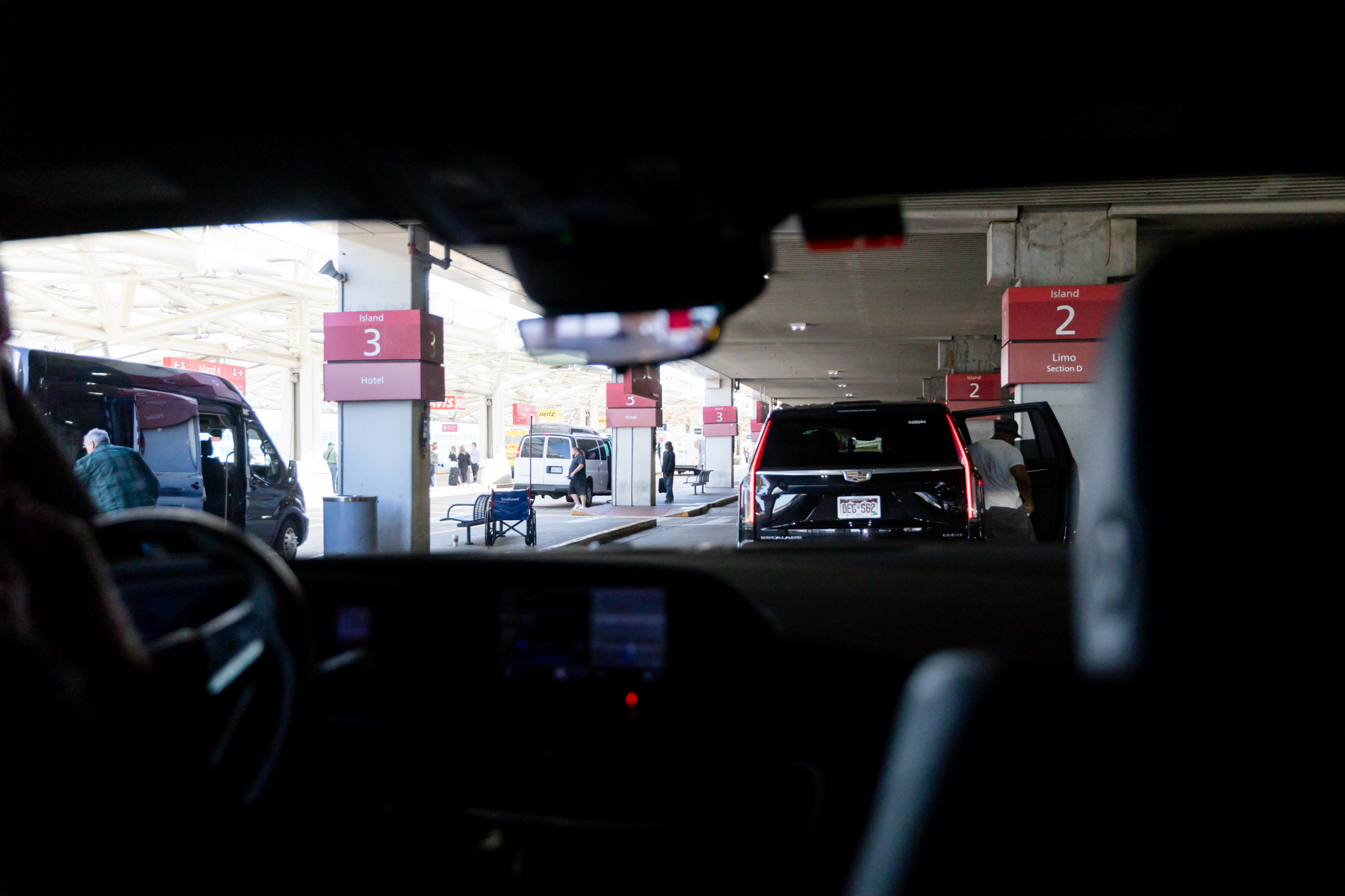
DIA Level 5, Island 2 (signed LIMO), or inside at baggage claim on request
Vehicles
Cadillac Escalade, Chevrolet Suburban, Mercedes-Benz Executive Sprinter, Ford Transit, Rolls-Royce Cullinan by request
Law Enforcement-Owned
 Based in Breckenridge
Late-Model SUVs & Sprinters
Open 24/7
Based in Breckenridge
Late-Model SUVs & Sprinters
Open 24/7
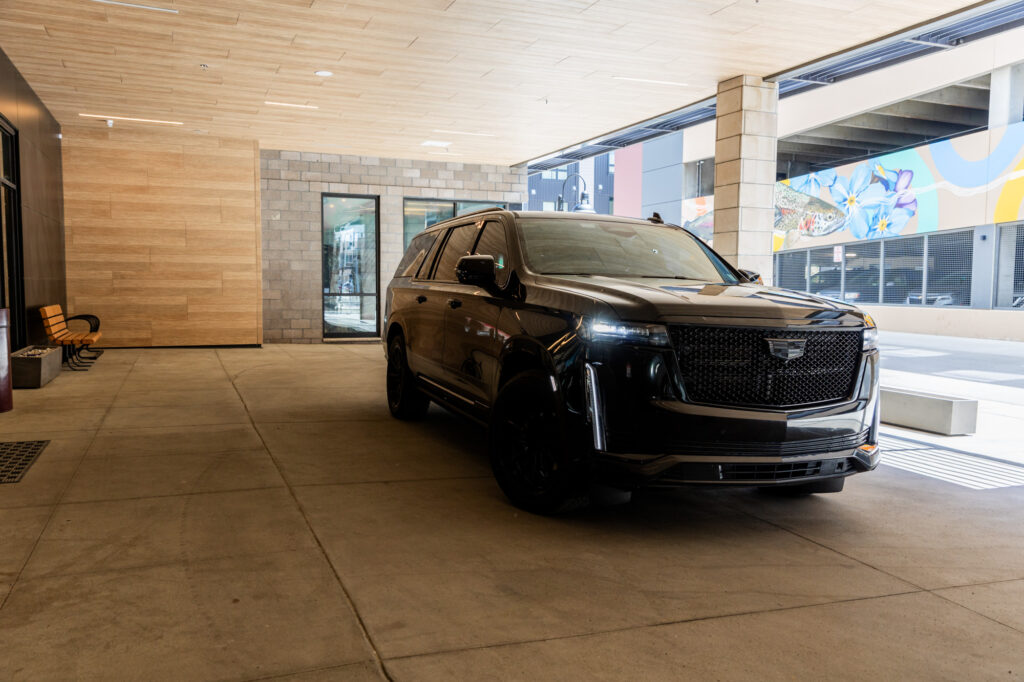
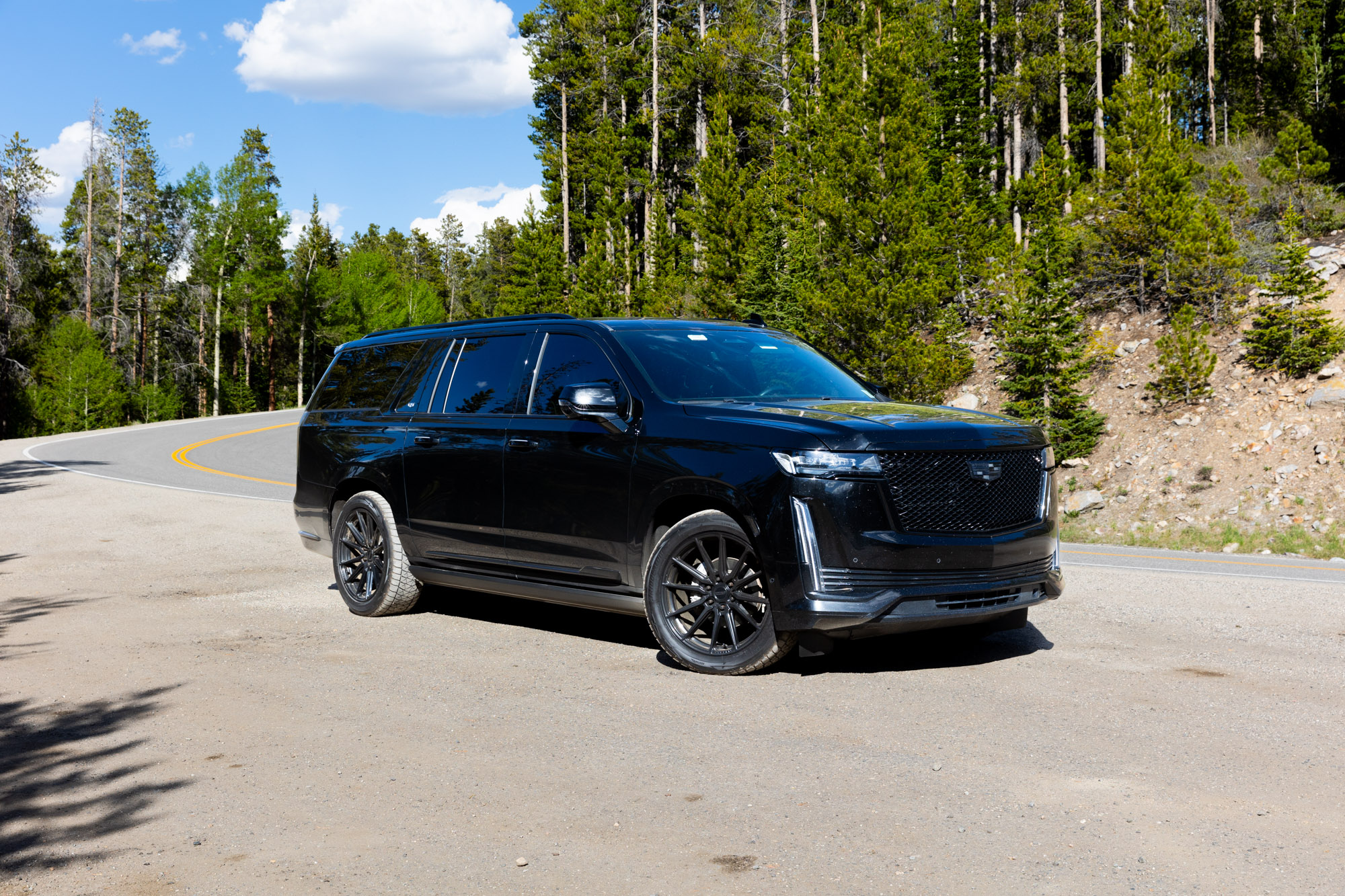
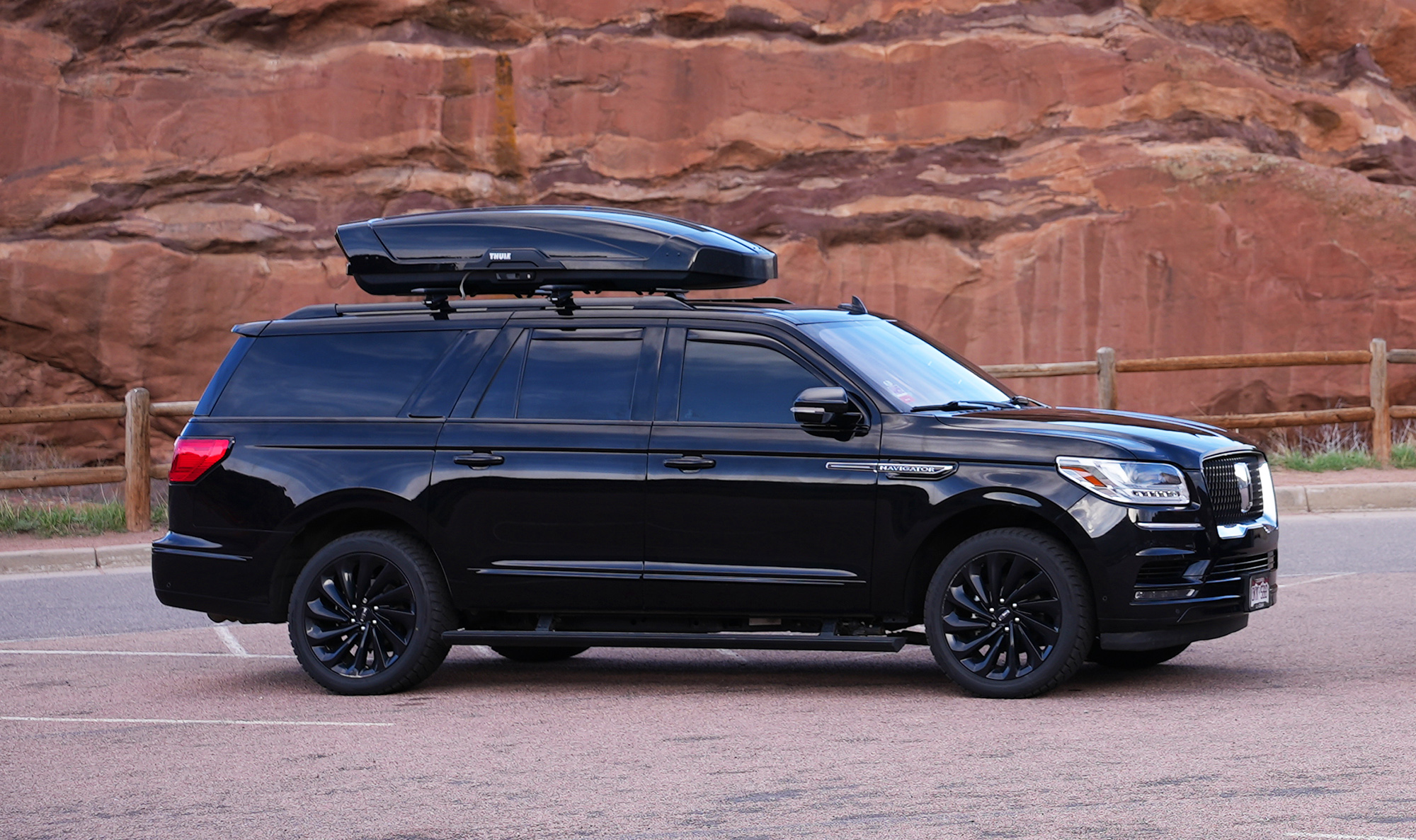
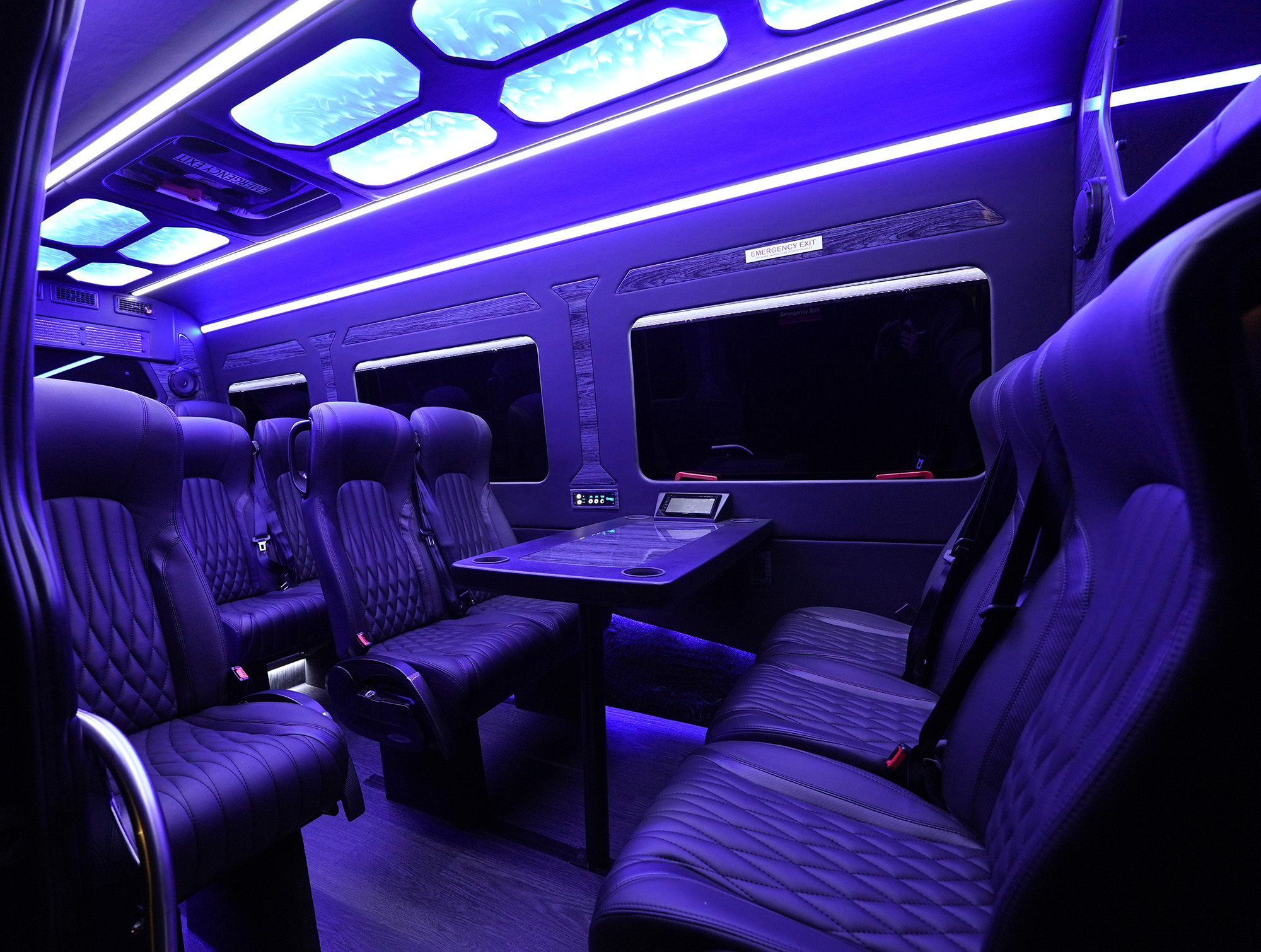
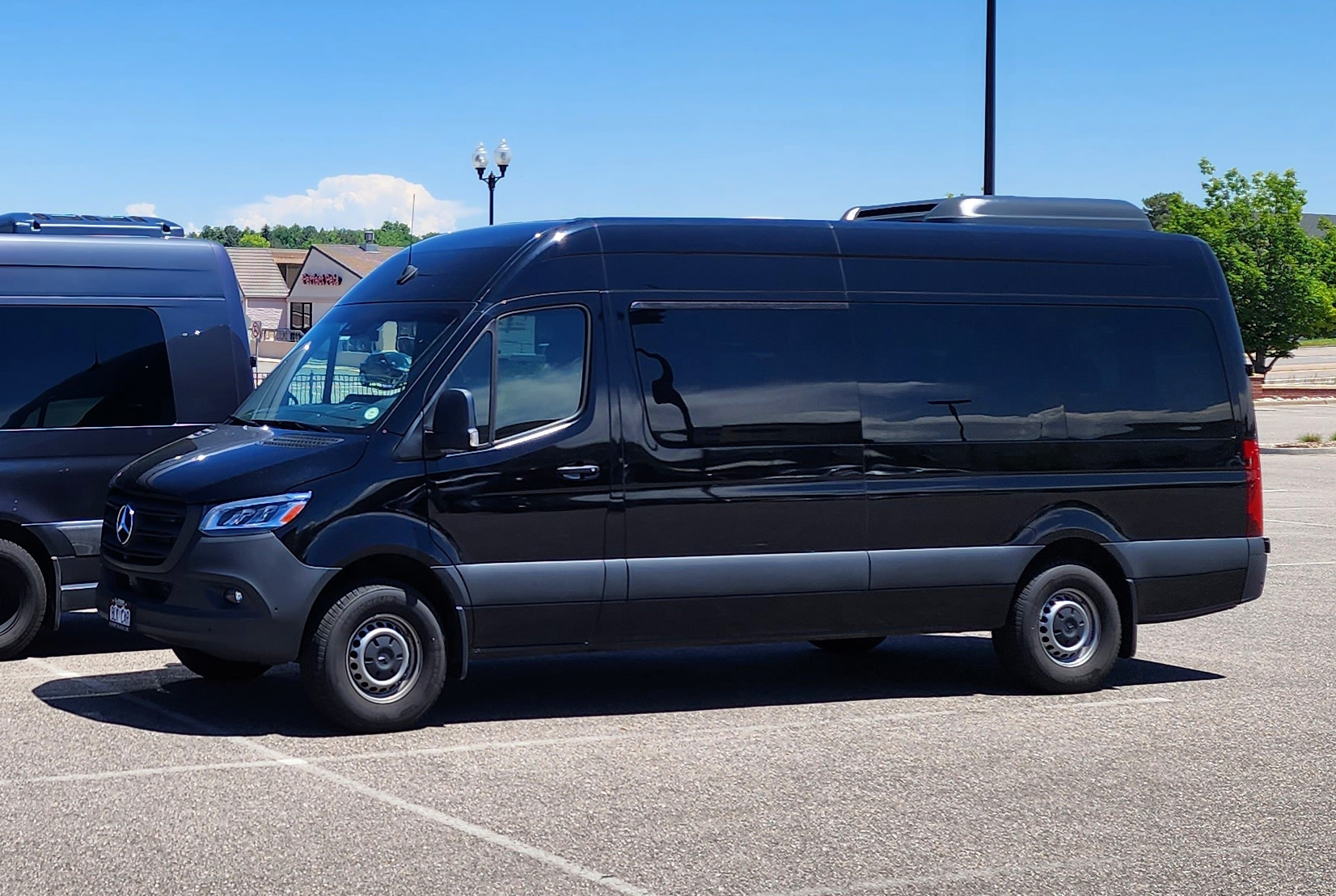
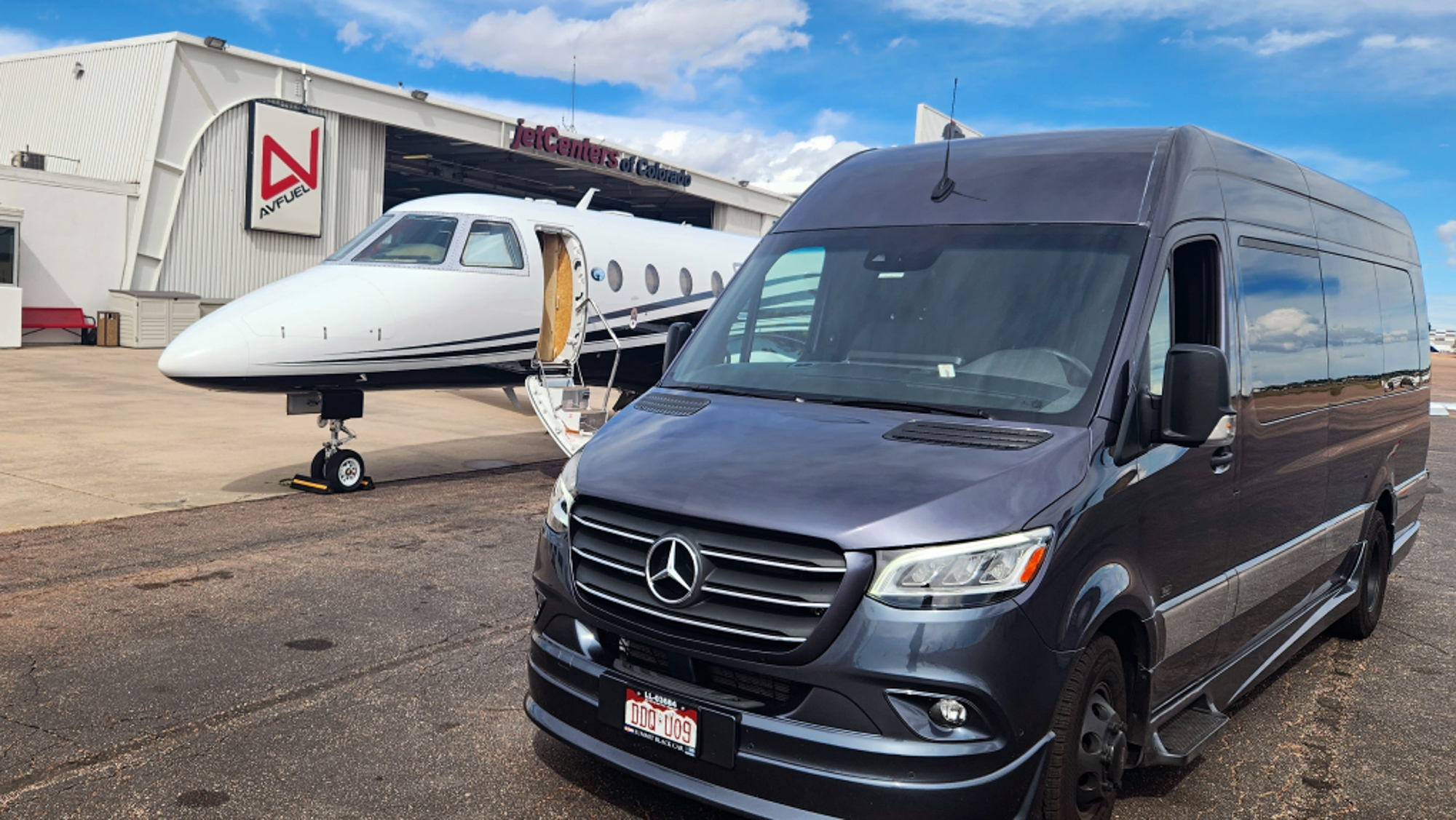
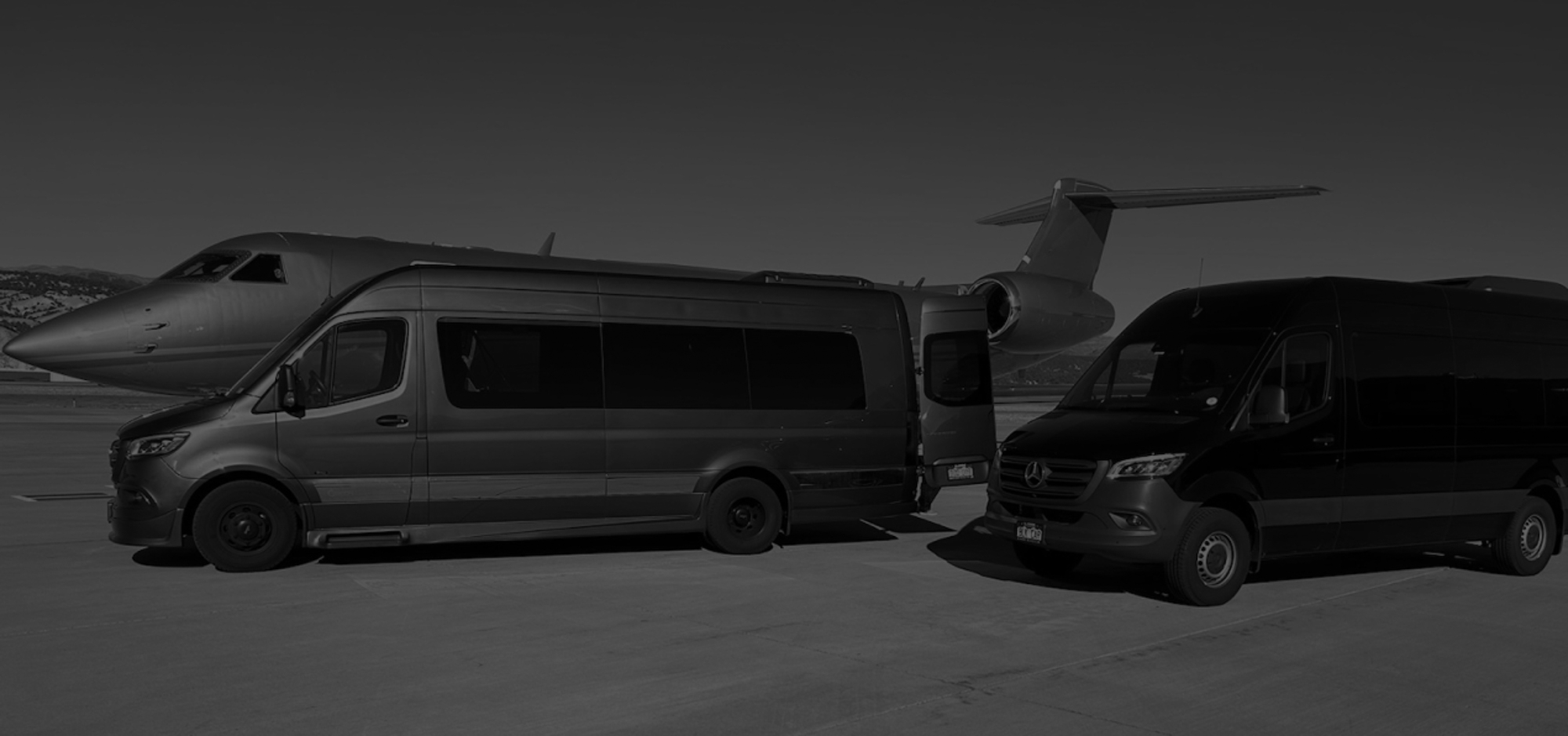
Late-model luxury SUVs for up to five passengers, the Executive Sprinter for thirteen, and an executive van for fourteen. The Rolls-Royce Cullinan is available by request.
LUXURY SUV

LUXURY SUV
LUXURY SUV
EXECUTIVE SPRINTER
EXECUTIVE VAN

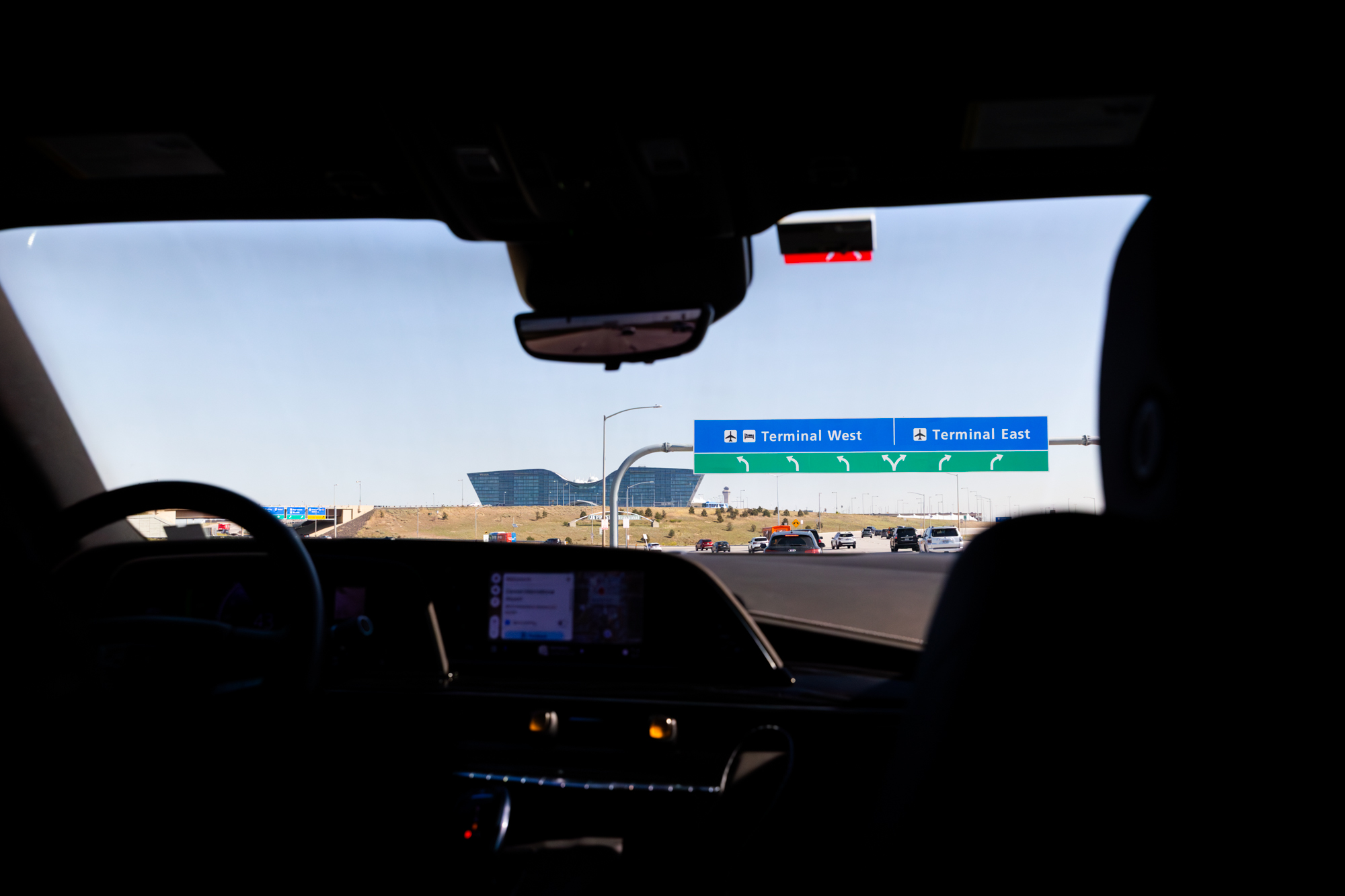
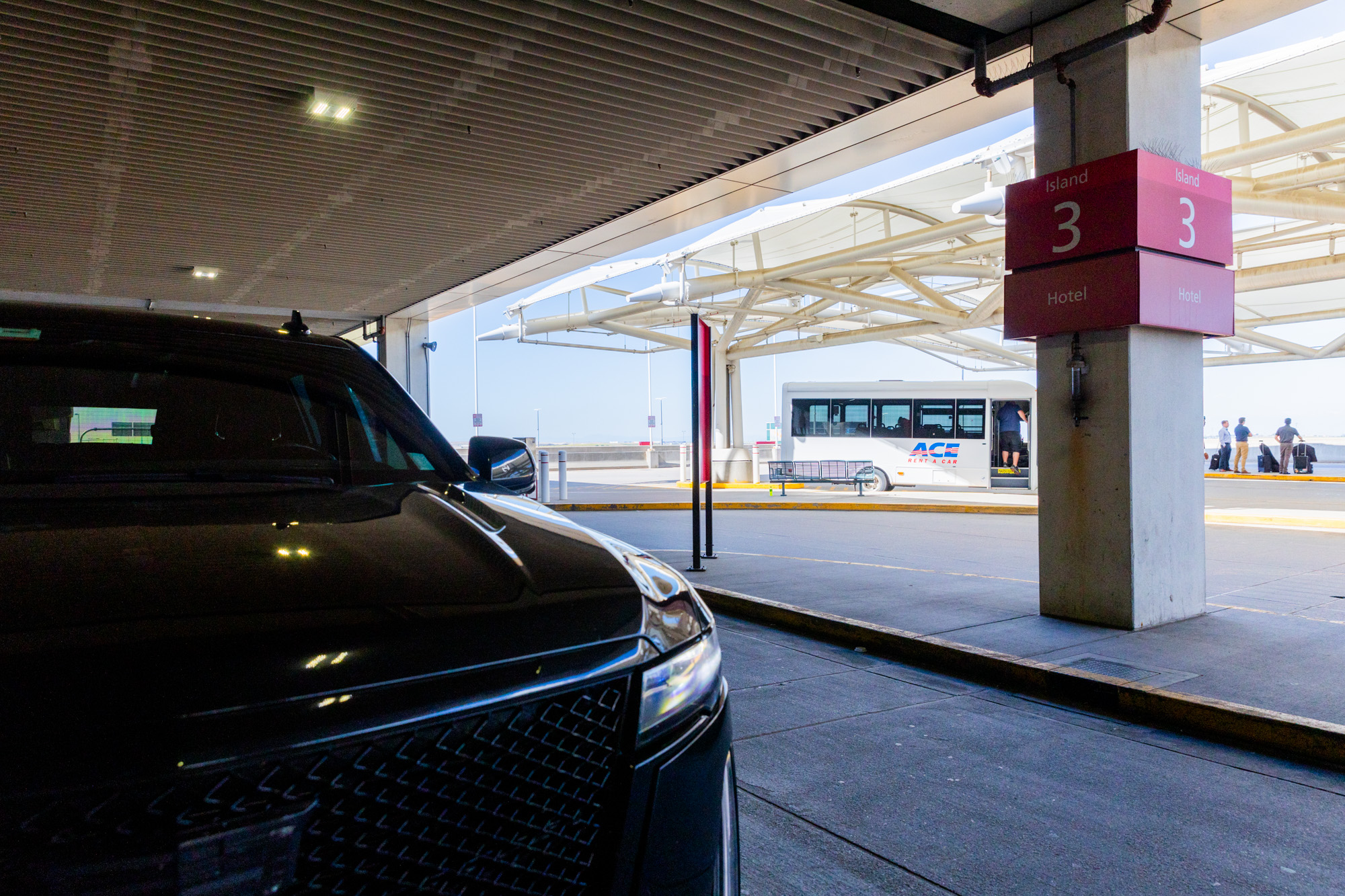




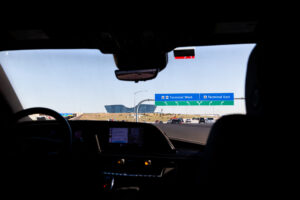


Aspen is about 220 miles from Jeppesen Terminal, and almost every one of those miles is mountain highway. Your chauffeur leaves the airport heading west, crosses the Denver metro area and picks up I-70 where it climbs into the foothills at Floyd Hill. Idaho Springs and Georgetown follow, and then the road rises to the Eisenhower-Johnson Memorial Tunnel, which carries I-70 under the Continental Divide at 11,158 feet. The east approach to the tunnel is often the first place a dry Denver morning turns into a snow day.
On the west side the interstate drops into Summit County. You pass the Silverthorne and Dillon exit at 205, the Frisco exit at 203 where our Breckenridge transfers turn south on Highway 9, and Copper Mountain at exit 195 before the second climb of the day, Vail Pass at 10,662 feet. Vail Pass is a long grade in both directions and closes several times each winter. From the summit the road descends past Vail at exits 180 and 176, Avon and Beaver Creek at exit 167, and Eagle and Gypsum at exit 140, where Eagle County Regional Airport sits beside the interstate.
Past Dotsero the interstate enters Glenwood Canyon, mile markers 133 to 116. The canyon is narrow, and the walls above it are prone to rockfall and, after storms, mudslides. It is the segment of this route most likely to close without much warning. At Glenwood Springs, exit 116, you leave I-70 for Highway 82.
Highway 82 runs southeast up the Roaring Fork Valley for about 40 miles, through Carbondale and then Basalt, and the character of the drive changes. This is a state highway with towns along it rather than a limited-access interstate, and the last stretch takes longer than its mileage suggests, particularly during the afternoon commute and on peak ski weekends. About 5 miles before Aspen you pass Brush Creek Road, the turnoff for Snowmass Village, and then the highway carries you into the west side of town. Highway 82 continues east of Aspen over Independence Pass, but that road closes every winter, usually in the first week of November, and reopens the Thursday before Memorial Day. In winter every Aspen transfer uses the Glenwood Springs approach, and it is the road we plan on for airport traffic in every season.
This route crosses three places that close: the Eisenhower Tunnel, Vail Pass and Glenwood Canyon. The tunnel closes for storms, crashes and hazmat holds. When I-70 shuts east of the tunnel, the mountain alternate is US-285 to Fairplay and Highway 9 north over Hoosier Pass at 11,542 feet, which reaches Breckenridge and rejoins I-70 at Frisco. That only helps an Aspen trip when the closure is confined to the tunnel approach and the interstate is open from Frisco west, so your chauffeur checks the whole corridor before committing to the detour.
Vail Pass has no short alternate. When it closes we hold at a safe spot, watch the reopening estimate and move as soon as the road opens rather than adding hundreds of miles to go around. Glenwood Canyon is the same: a closure there means waiting for the road, and your chauffeur will tell you plainly what the estimate looks like and whether a meal stop in Vail or Eagle makes more sense than sitting in a line of stopped traffic.
Between September 1 and May 31 the Colorado Traction Law is in force on I-70 from Morrison at mile marker 259 to Dotsero at mile marker 133. It requires AWD or 4WD with at least 3/16 inch of tread on winter, all-weather or M+S tires, or chains or approved traction devices. Our SUVs and Sprinters meet it every day of the season, so the law never changes your plans.
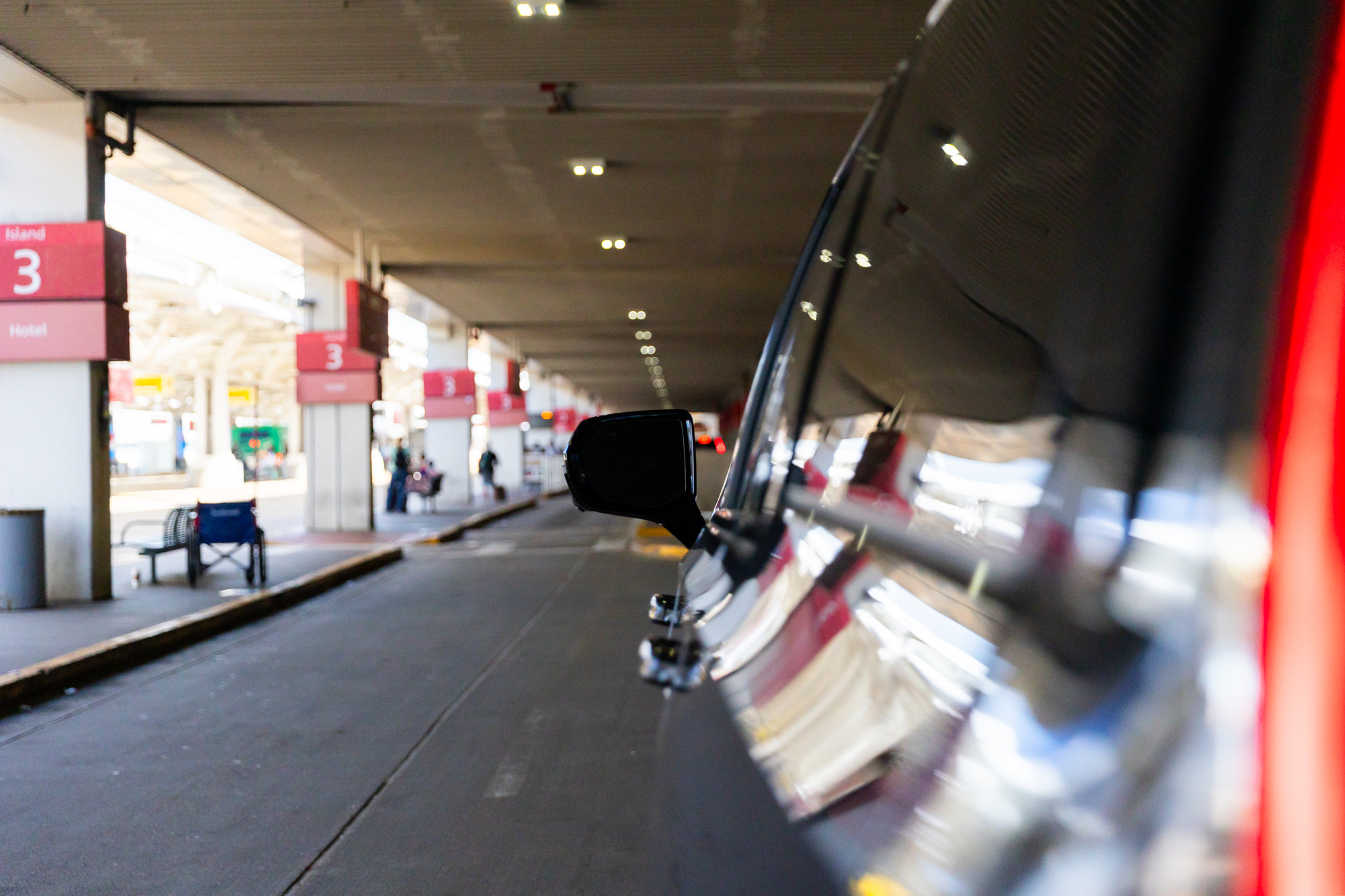
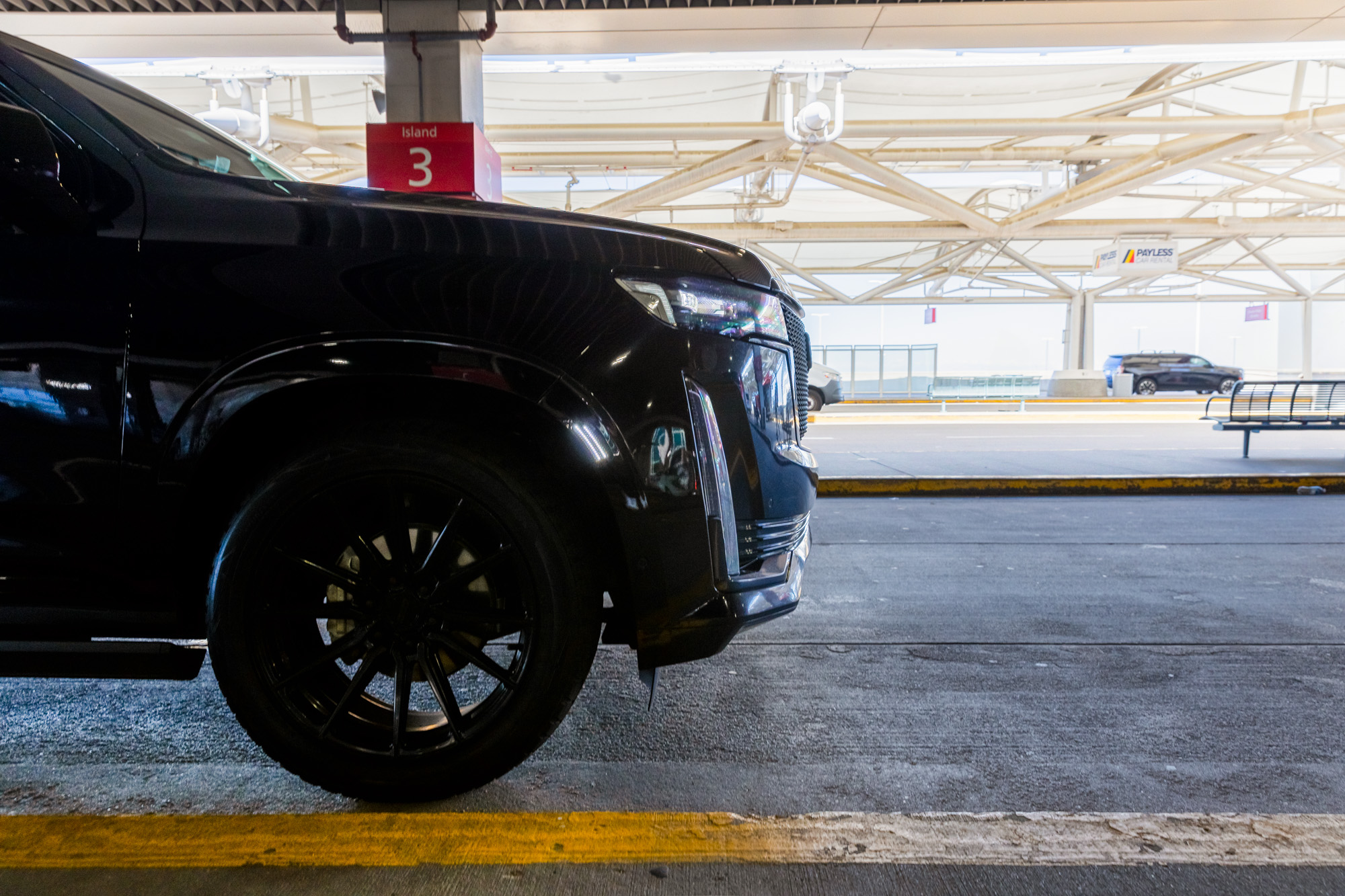
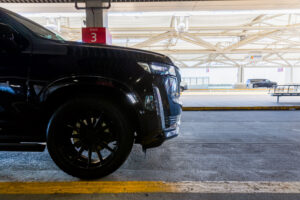
Pre-arranged car service pickups at DIA happen on Level 5 of Jeppesen Terminal at Island 2, which is signed LIMO. On the east side of the terminal the closest doors are 505 to 507 and 511 to 513; on the west side they are 504 to 506 and 510 to 512. The simplest routine is to collect your bags, walk out Door 511 on the east side or Door 506 on the west side, and cross to Island 2.
Drivers are not allowed to idle at the curb at DIA. Your vehicle waits in the holding lot and is released the moment you check in with us or send a text, and it reaches Island 2 within a few minutes. If you would rather be met inside, we offer an inside-terminal meet-and-greet at baggage claim on request, which is popular with first-time visitors, families with young children and anyone arriving after a long international connection.
We track every inbound flight. If your arrival is delayed, your chauffeur adjusts on his end and there is nothing you need to do from the plane. With Aspen’s own airport closed from April 4 to November 19, 2027, DIA and EGE become the Aspen airports that year, and this Level 5 routine will be the one most Aspen visitors use.
The Aspen core is compact, and most transfers end at a hotel door. We drop at The Little Nell, Hotel Jerome, the St. Regis, The Limelight, W Aspen and Aspen Meadows, and the chauffeur pulls to the hotel entrance so your bags go straight from the vehicle to the bell staff. Aspen Highlands is a short continuation from town for guests staying or skiing there, and the West End is served door to door for private residences and rentals.
If your party is splitting between two addresses in Aspen, tell us when you book and we will plan the sequence. Snowmass Village sits on Brush Creek Road about 5 miles before Aspen, so a group with one household in Snowmass and another in town is a natural two-stop run. On the way in, some guests ask for a brief stop in Glenwood Springs, Carbondale or Basalt for food or groceries before the last miles to the door, and your chauffeur can accommodate that when it is mentioned in advance.
For up to five passengers the 2025 Cadillac Escalade is the standard vehicle on this transfer. Four hours is long enough that seat comfort, cabin quiet and Wi-Fi matter, and the Escalade delivers all three. The 2026 Chevrolet Suburban carries the same five passengers and is the better choice when a full-week ski trip means more luggage than people. Both SUVs are AWD with winter tires and rooftop ski carriers, and both run this route in every month of the year.
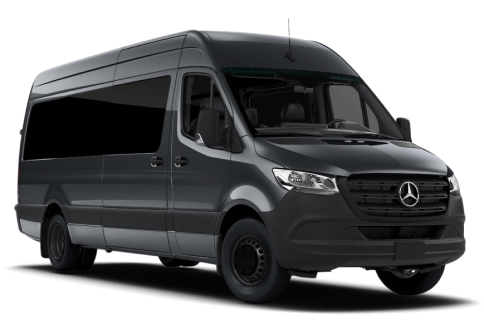
Larger parties ride in the 2025 Mercedes-Benz Executive Sprinter, which seats 13, or the 2025 Ford Transit, which seats 14. Skis and boards ride inside the Sprinter and Transit rather than on the roof. For guests who want an ultra-luxury arrival, the Rolls-Royce Cullinan is available on this route by request.
Child seats are provided on request, Wi-Fi and bottled water are standard, and your chauffeur loads and unloads every bag. When you book, tell us the number of passengers, the number of bags, whether you are bringing ski or snowboard gear and whether you need child seats. We assign the vehicle based on those details, and we do not promise unlimited capacity.
For the trip back to DIA we plan backward from your departure time. Start with the drive, which is about 4 hours in dry conditions and 4 hours 30 minutes to 5 hours 30 minutes in winter or on a holiday weekend. Add 30 to 45 minutes of winter weather margin for the tunnel and Vail Pass. Then add the check-in and security time your airline recommends. On a winter morning that can mean a pickup before dawn for a midday flight, and your chauffeur will propose a pickup time when you book rather than leaving the math to you.
Sunday afternoons and holiday Mondays are the slowest eastbound periods on I-70, when Denver skiers head home at the same time. If your departure lands in one of those windows we will suggest an earlier start, and we track your outbound flight so a delayed departure can be reflected in a later pickup where it makes sense.
A shared shuttle to Aspen runs on a published schedule, stops for other passengers along the way and may wait at the airport for a late flight that is not yours. On a four-hour drive those additional stops and waits add up, and you arrive at a central drop rather than your own door. For a solo traveler with a flexible day it can be a sensible choice.
Rideshare is difficult on this route. Very few drivers accept a 220-mile trip into the mountains, the vehicle that shows up is whatever the driver owns, and whether it meets the traction law is a question you cannot answer from the app. The return leg from Aspen to DIA is harder still, since there are far fewer drivers in the Roaring Fork Valley than at the airport.
A rental car means driving four hours yourself after a flight, often into weather, in a vehicle that may not have the tires the traction law requires. Once in Aspen, most guests find they leave the car parked for the week.
A private chauffeur is a premium service and is not the least expensive way to reach Aspen. What it buys is a vehicle built for the corridor, a driver who lives in the mountains and drives this road in every season, a schedule set by your flight rather than a timetable, and a drop at your door. Every quote is prepared through our Book Now form based on your date, party and vehicle.
Ready to get on the road in one of our luxury black cars? Reserve your ride today!

Reserve Your Car
Request an instant quote on the Book Now page with your dates, passenger count, bags and any child seats, then reserve once it is confirmed.
Meet at DIA
We confirm the pickup time and location as your date approaches and track your flight on the day. If plans change, call or text us and we adjust.
Ride to Aspen
Your chauffeur loads the luggage and gear and drives you to the door. Enjoy the Wi-Fi, the water and the view while we handle the road.

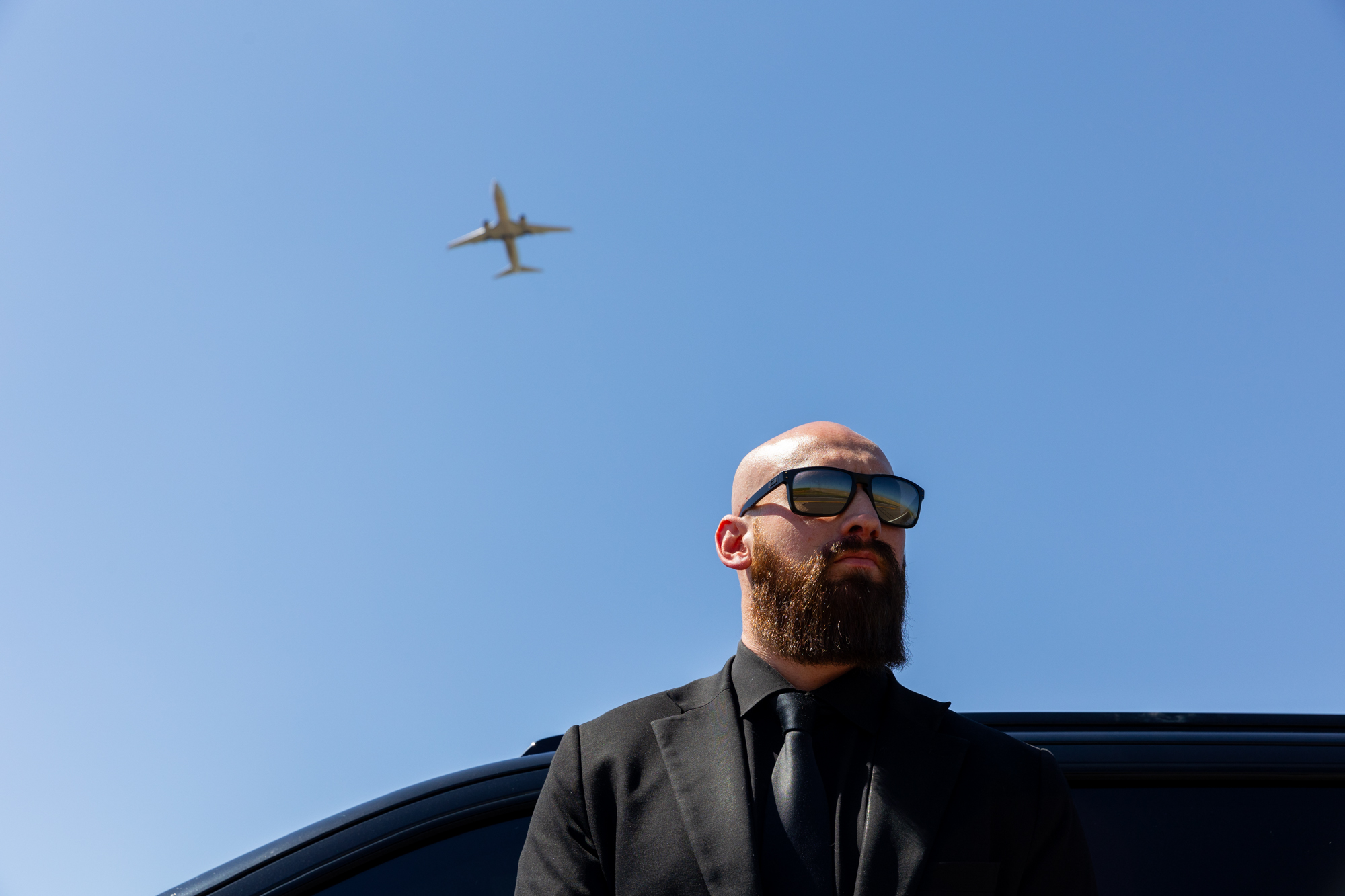
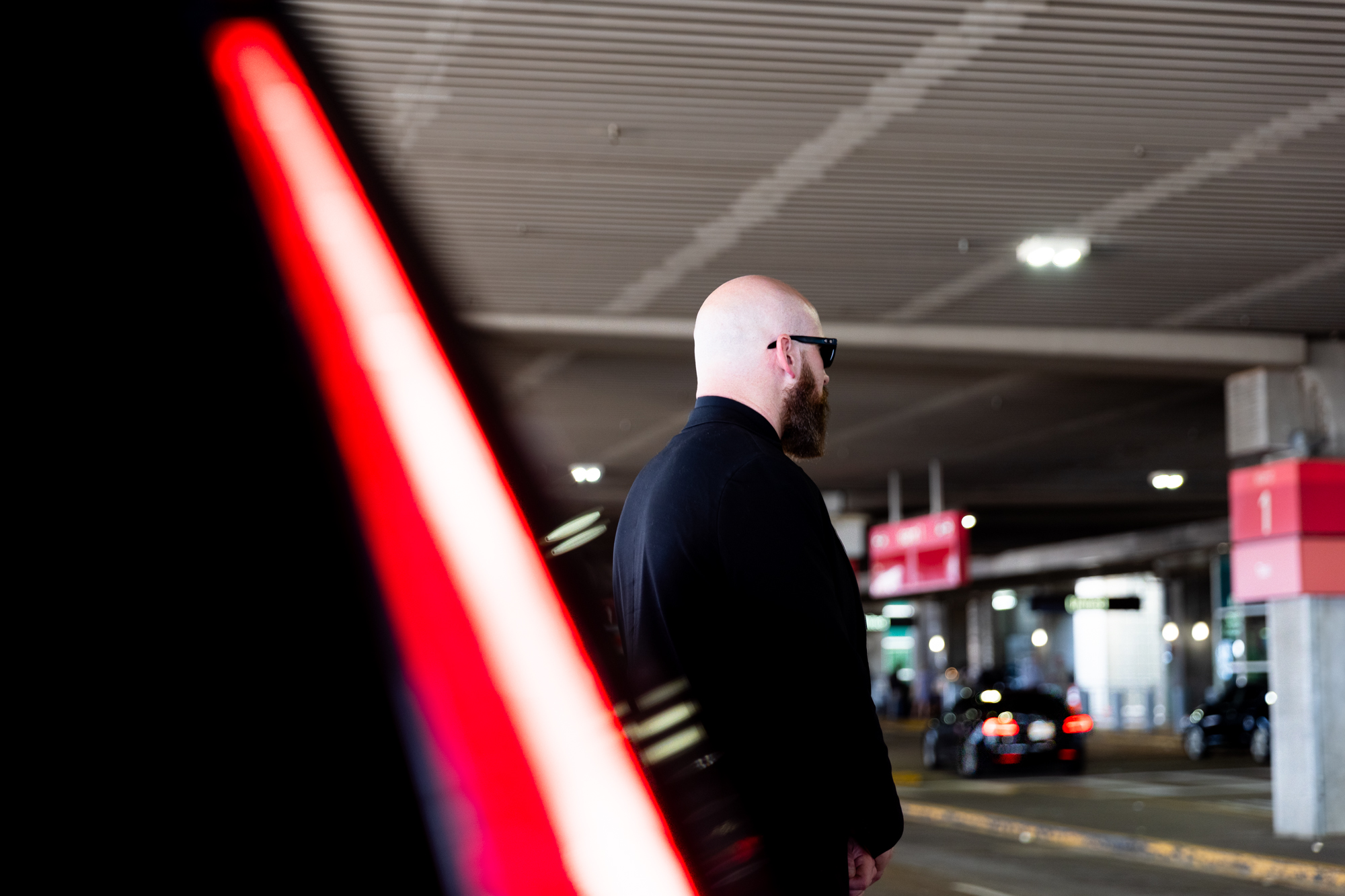
We are owned and operated by former law enforcement officers.
Our team brings this expertise and a commitment to duty and service to every client that we transport.
About 4 hours in dry conditions. In winter or over a holiday weekend, plan on 4 hours 30 minutes to 5 hours 30 minutes, since the tunnel, Vail Pass and Glenwood Canyon can each slow the trip. Your chauffeur gives you a current estimate at pickup and updates you on the road if a closure or slowdown develops.
Denver International has far more nonstop flights, larger aircraft, and international arrivals, and it is much less affected by mountain weather. Aspen’s own airport is convenient but small and weather sensitive, and Eagle’s nonstop service is concentrated in the winter season. Travelers who want the widest flight choice or who are arriving from overseas often choose DIA and accept the longer ground transfer.
Aspen/Pitkin County Airport is closed to all commercial and general aviation from April 4, 2027 at 11 p.m. through November 19, 2027 at 7 p.m. for runway and terminal construction. During that period DIA and Eagle County Regional Airport are the airports for Aspen, and we run transfers from both. Book early for peak summer dates in 2027.
Independence Pass is closed every winter, usually from the first week of November until the Thursday before Memorial Day, so it is not an option for ski season. Even when it is open, we plan DIA to Aspen transfers on the Glenwood Springs and Highway 82 route, which is the standard road for airport traffic carrying luggage and ski gear.
Pre-arranged car service pickups are on Level 5 of Jeppesen Terminal at Island 2, signed LIMO. Exit Door 511 on the east side or Door 506 on the west side and cross to the island. Text us when you have your bags and the vehicle comes over from the holding lot within a few minutes. Inside meet-and-greet at baggage claim is available on request.
Yes. Glenwood Springs, Carbondale and Basalt are all on the route and make natural places for a restroom, food or grocery stop before the final miles into Aspen. Mention it when you book or tell your chauffeur at pickup so the timing is built into the trip rather than squeezed in.
Yes. The traction law applies on I-70 between Morrison and Dotsero from September 1 to May 31 and requires AWD or 4WD with adequate tread on winter, all-weather or M+S tires, or chains. Our Escalade, Suburban, Sprinter and Transit all meet the requirement every day of the season, so you never have to think about it.
Yes. The Mercedes-Benz Executive Sprinter seats 13 and the Ford Transit seats 14, with skis and boards stowed inside. For larger parties we can run multiple vehicles that depart together. Give us the passenger count, bag count and gear list when you book and we will assign the right combination.